
Stucco Installation and Repair in Colorado Springs, CO
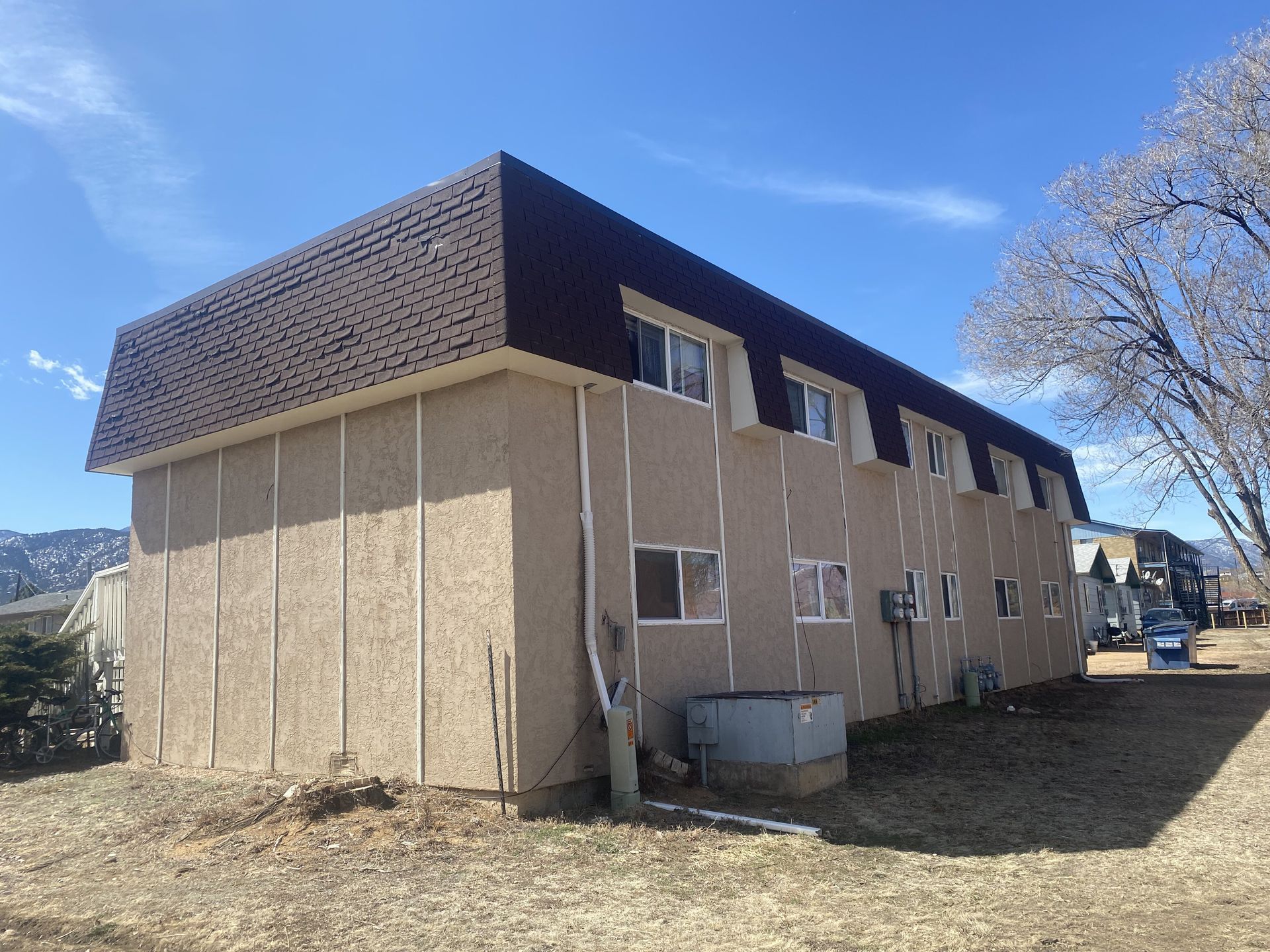
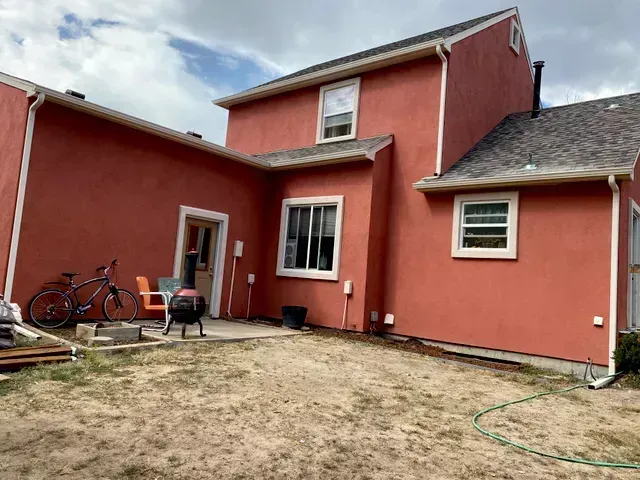
Walls That Shrug Off Sun, Snow, and Time
A traditional three-coat stucco wall builds up roughly 7/8 inch of cement, sand, and lime, applied in layers that each need time to cure before the next goes on. ECL Construction installs, repairs, and refinishes stucco on homes and commercial buildings across Colorado Springs, CO, Fountain, Pueblo West, Castle Rock, and Woodland Park. Our stucco services include traditional cement systems, acrylic finishes, EIFS, crack repair, bonded finish coats over aging walls, and routine inspection and cleaning.
Colors, patterns, and textures are matched to your architecture, whether you want a smooth modern face or a classic sand finish. We prepare each substrate carefully, apply coats at the right thickness, and protect new work from freezing nights and drying winds. Backed by 14 years of building experience, our stucco crews stand behind their labor with a 5-year warranty. Request a free stucco evaluation through our contact page and talk through your plans with us.
Our Stucco Services
Traditional Stucco
Sand, cement, and lime build a hard, weather-resistant shell over three coats. This classic system handles hail and wind well, accepts a wide range of textures, and can be painted or integrally colored to complement roofing, trim, and surrounding landscape.
Acrylic Stucco
Acrylic resins give this finish more flexibility than cement alone, so it resists hairline cracking as walls expand and contract. Vibrant colors stay truer over time, and it bonds well to concrete, masonry, and properly prepared framed walls.
Synthetic Stucco (EIFS)
Exterior Insulation and Finish Systems layer foam insulation board, a reinforced base coat, and a textured finish. The result noticeably improves energy efficiency, allows crisp architectural shapes, and offers customizable colors for modern homes, offices, and commercial storefronts alike.
InSul Bond and New Finish Coat
Aging stucco does not always need demolition. A high-performance bonding agent prepares the existing surface, then a fresh finish coat adds new color, texture, and weather protection, giving tired walls a renewed look while extending the life of the system.
Stucco Crack and Damage Repair
Cracks, hail impacts, and failing patches are cut out, rebuilt in matching layers, and blended into the surrounding texture. Addressing damage early keeps water from reaching lath and framing, where hidden rot and mold become far bigger problems.
Stucco Inspection and Cleaning
Scheduled visits check for cracks, sealant gaps, and drainage problems before they spread. Gentle low-pressure washing removes dust, mildew, and staining without forcing water into the wall, keeping finishes bright and the building looking cared for through every season.
Why Choose Us for Stucco
Textures Matched Precisely
Patch repairs only look right when texture, aggregate size, and color line up with existing walls. Sample panels and careful troweling help new work disappear into the original surface instead of standing out as an obvious, mismatched square.
Moisture Management First
Durable stucco depends on what sits behind it. Weather-resistant barriers, flashing at windows and doors, and correctly placed weep screeds are installed with care, giving any moisture that enters the wall a clear path to drain out again.
Weather-Aware Scheduling
Cement-based coats need moderate temperatures and steady moisture to cure. Work is timed around forecasts, with new layers shaded, misted, or covered as needed, so wind, freezing nights, and blazing afternoon sun never weaken the finished surface or its bond.
Residential and Commercial Capability
Single-family homes, multifamily buildings, and storefronts each bring different access and scheduling needs. Our crews adapt staging, scaffolding, and sequencing to each property and its occupants, keeping walkways safe and disruptions minimal while larger wall areas move steadily toward completion.
Honest Repair-or-Recoat Advice
Some walls need targeted patching, while others benefit more from a full new finish coat. Recommendations follow what the inspection actually reveals, so you invest in the approach that solves the real problem rather than paying for unnecessary work.
Respect for Your Property
Plastic sheeting covers windows, doors, vents, and landscaping before any mixing, troweling, or spraying begins. Overspray and dropped material get cleaned up every afternoon, and the final walk-through confirms that only the walls changed, never your patio, plants, or driveway.
Give Your Walls a Finish That Looks Good for Years
Stucco tells visitors a lot about a building before they ever reach the door, and cracked or faded walls send the wrong message about everything inside. Our team at ECL Construction restores that first impression for owners across Colorado Springs, CO, pairing durable materials with well-planned moisture details hidden underneath. Whether your walls need a few repairs, a fresh finish coat, or a complete new system, you deserve straight, unhurried answers about the merits of each path. Walk around your building, note the areas that bother you most, and describe the scope on our quote form whenever the timing feels right for you.
Frequently Asked Questions
What is the difference between traditional stucco, acrylic stucco, and EIFS?
Traditional stucco is a rigid cement, sand, and lime system, while acrylic stucco adds resins for flexibility and color retention. EIFS goes further by layering foam insulation beneath a reinforced base and finish, improving energy performance but requiring meticulous drainage detailing.
Which stucco cracks need professional repair?
Hairline cracks thinner than a credit card are usually cosmetic, but wider cracks, stair-step patterns, or cracks that keep growing deserve attention. At ECL Construction, we evaluate cracking on buildings across Colorado Springs, CO, and trace whether moisture or movement is responsible.
How long should new stucco cure before it is painted?
Cement stucco generally needs about 28 days to cure before paint goes on, because new walls stay highly alkaline and damp inside. Painting too soon can cause blotchy color, weak adhesion, and peeling, while integrally colored finishes skip that wait entirely.
Can new stucco be applied over existing stucco?
Yes, when the old surface is sound and well attached. Loose areas are repaired first, a bonding agent such as InSul Bond improves adhesion, and a new finish coat refreshes color and texture without the disruption of a full tear-off.
What is a weep screed, and why does it matter?
A weep screed is the metal strip at the base of a stucco wall that lets trapped moisture escape. Building codes place it at least 4 inches above soil and 2 inches above pavement, since burying it blocks drainage and invites rot.
Can stucco be applied in cold weather?
Cement-based stucco should not go on when temperatures sit below about 40°F, since freezing weakens curing coats. Our crews at ECL Construction schedule winter stucco projects in Colorado Springs, CO, around warm spells and cover or heat fresh walls when needed.
How should stucco be cleaned?
Use a garden hose or low-pressure washer with a mild detergent, wetting the wall from the bottom up and rinsing from the top down. High-pressure blasting can etch the finish and force water behind the wall, so it is best avoided.
What causes white, chalky stains on stucco?
That white residue is usually efflorescence, salts carried to the surface as moisture moves through the wall and evaporates. Dry brushing often removes it, but recurring efflorescence signals an ongoing water source such as sprinklers, poor drainage, or failed flashing.
What our customers have to say...
Testimonials